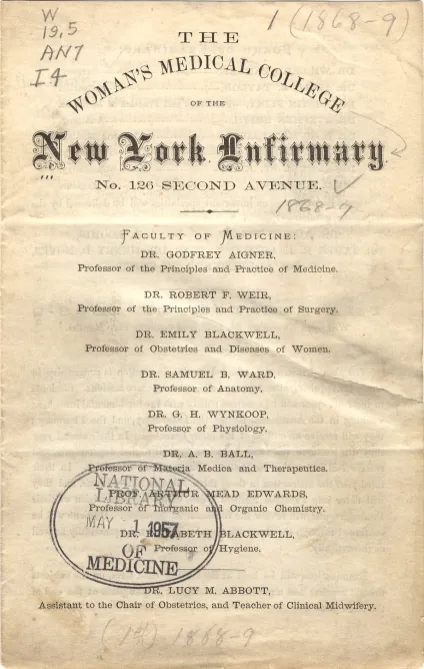
Medical College Faculty,1868,National Library of Medicine.
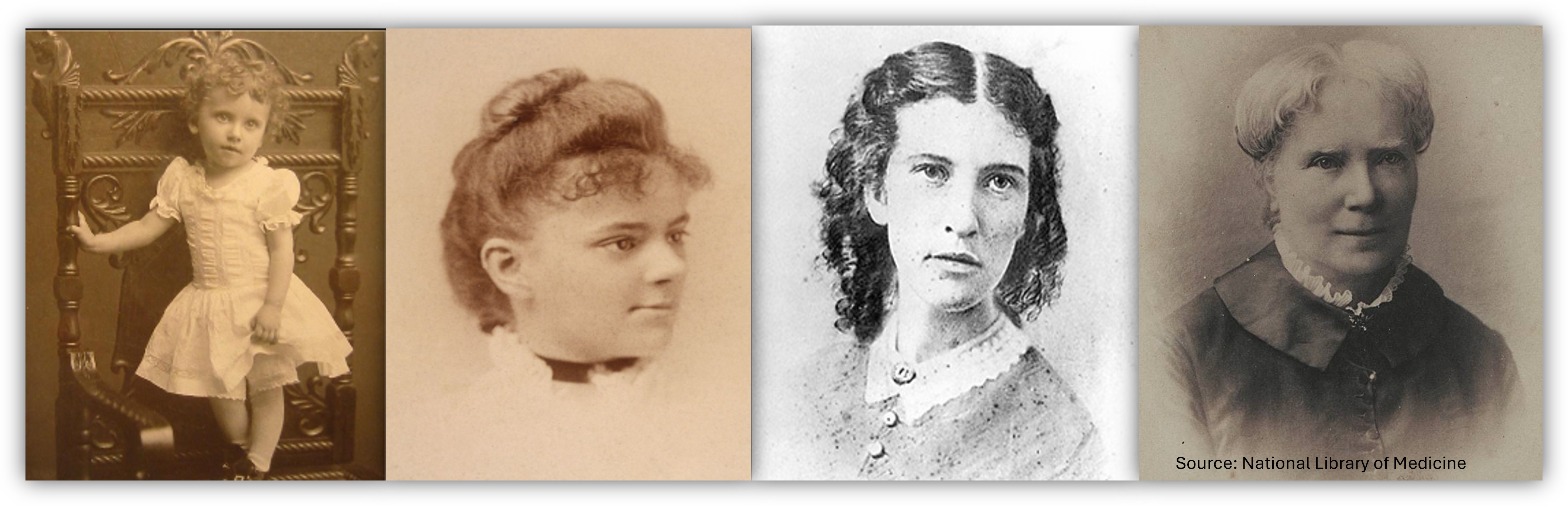
The hospital aided the poor, offered roles to women physicians, and trained female medical/nursing students. Treating 866 patients in its first year, it thrived. Unable to enter male medical colleges, Elizabeth founded a women’s medical college.
"We took this step, however, with hesitation, for our own feelings was adverse to the formation of an entirely separate school for women."
~ Elizabeth Blackwell
Medical College Faculty,1868,National Library of Medicine.
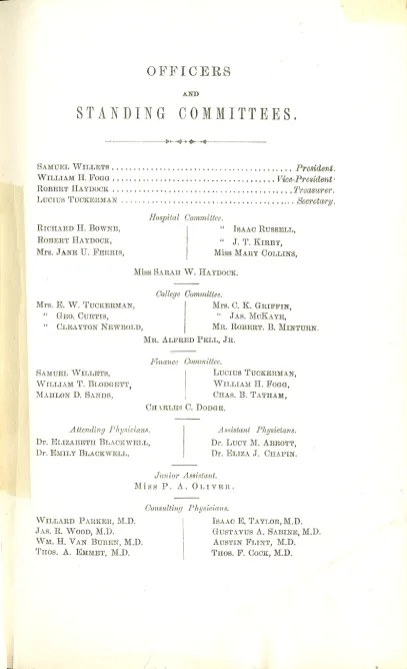
Fourteenth Annual report for the New York Infirmary for Women,1882, National Library of Medicine.
.
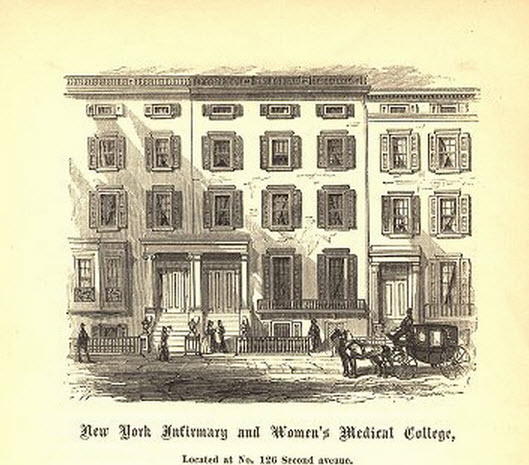
Picture of WMC and Infirmary,n.d.,National Archive.
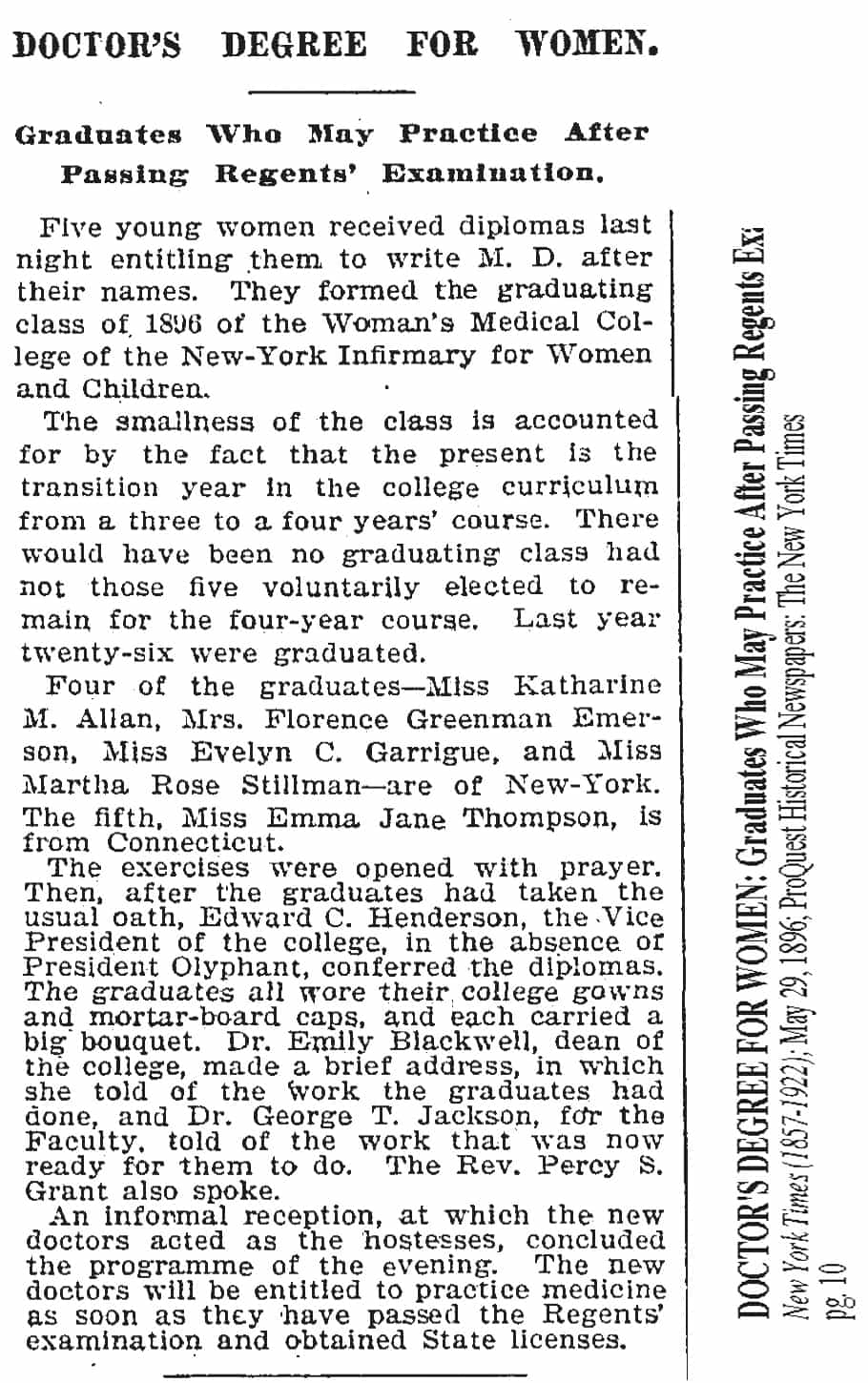
Woman’s Medical College graduate announcement,1896,Library of Congress.
Elizabeth Blackwell on the significance of a women-run hospital. (Audio: healthmatters.nyp.org)
"To us, nourished from childhood on the idea of human freedom and justice, the contest became of absorbing interest... we threw ourselves energetically into the cause of freedom."
~ Elizabeth Blackwell
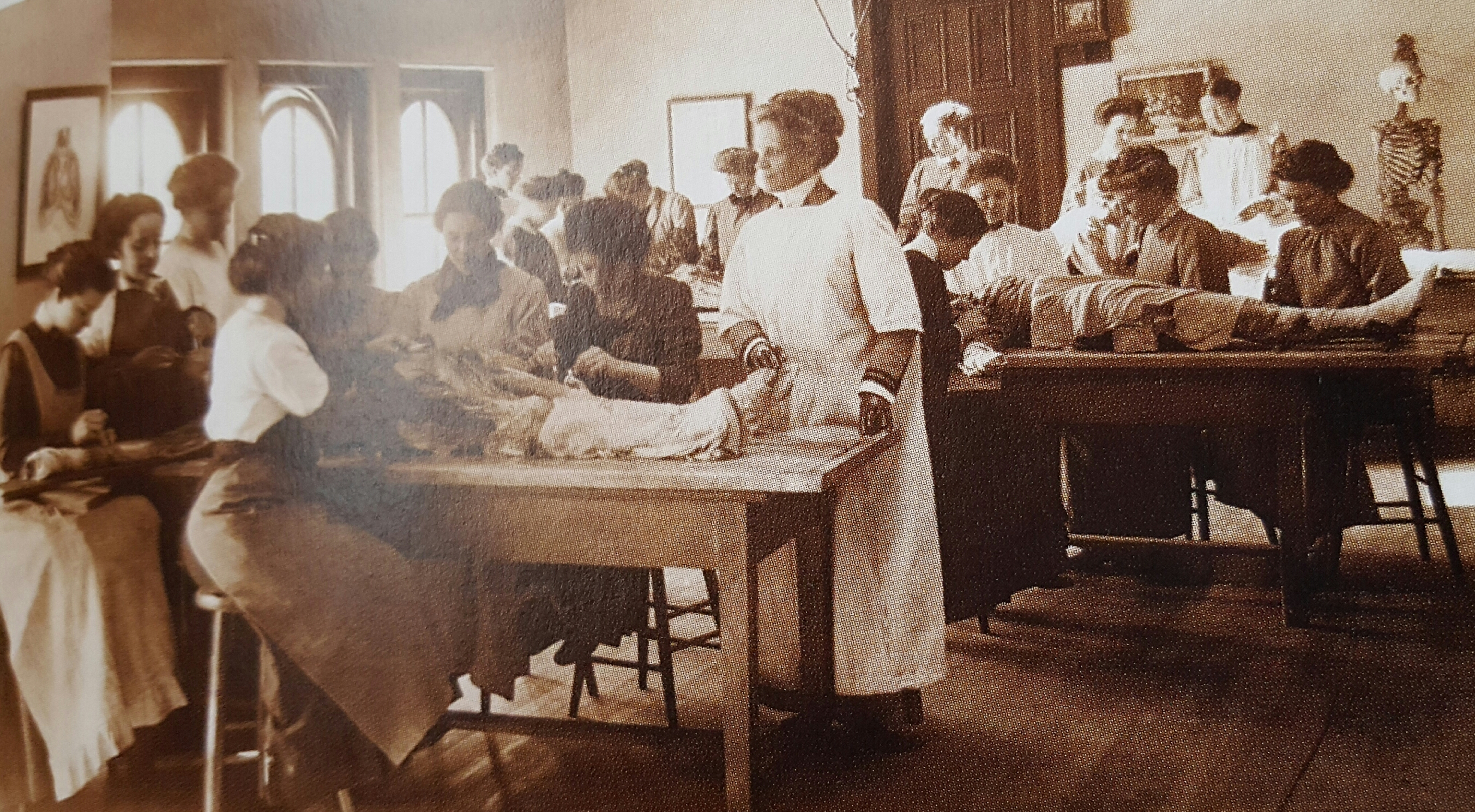
Women's Medical College of the New York Infirmary where women have the ability to earn their medical degrees,n.d.,Library of Congress.
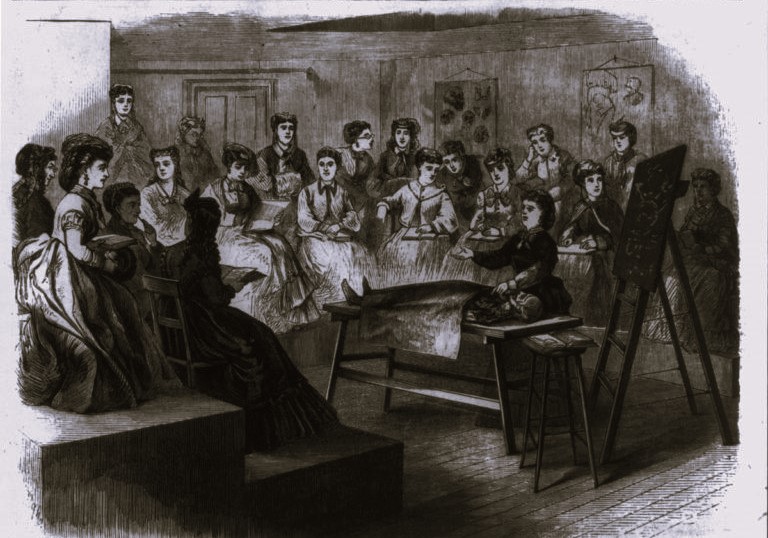
The anatomy lecture room at the Woman's Medical College of New York Infirmary,n.d.,National Archive.
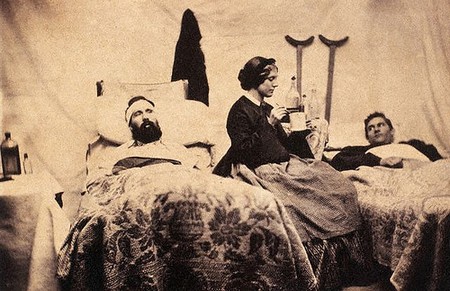
Women helping the wounded soldiers during the Civil War,1861,History Net.
When the American Civil War began, Women's Medical College formally trained women, physicians, and doctors. They formed the Women's Central Association of Relief for the purpose of being able to send skilled nurses to the battlefields, and were actively involved with the Ladies' Sanitary Aid Association, providing aid to the Union soldiers.
"Nearly four thousand people gathered on April 26, 1861, and formed the Woman’s Central Relief Association of New York (WCRA). Their goals included to give organization and efficiency to the scattered efforts already in progress; gather information on the wants of the army; establish relations with the Medical Staff of the army; create a central depot for hospital stores; and open a bureau for the examination and registration of nursing candidates. Their board of managers included twelve women and twelve men. The men had final authority, but women held prominent positions."
~ United States Sanitary Commission
After a disagreement with her sister, Elizabeth returned to London to promote women's education and public health. She began a practice, engaged with reformers and artists, co-founded the National Health Society in 1871, and opened a hospital and medical school for women. Her health waned by 1879, leading her to quit practicing and focus on writing about reform issues. She died in England in 1910.
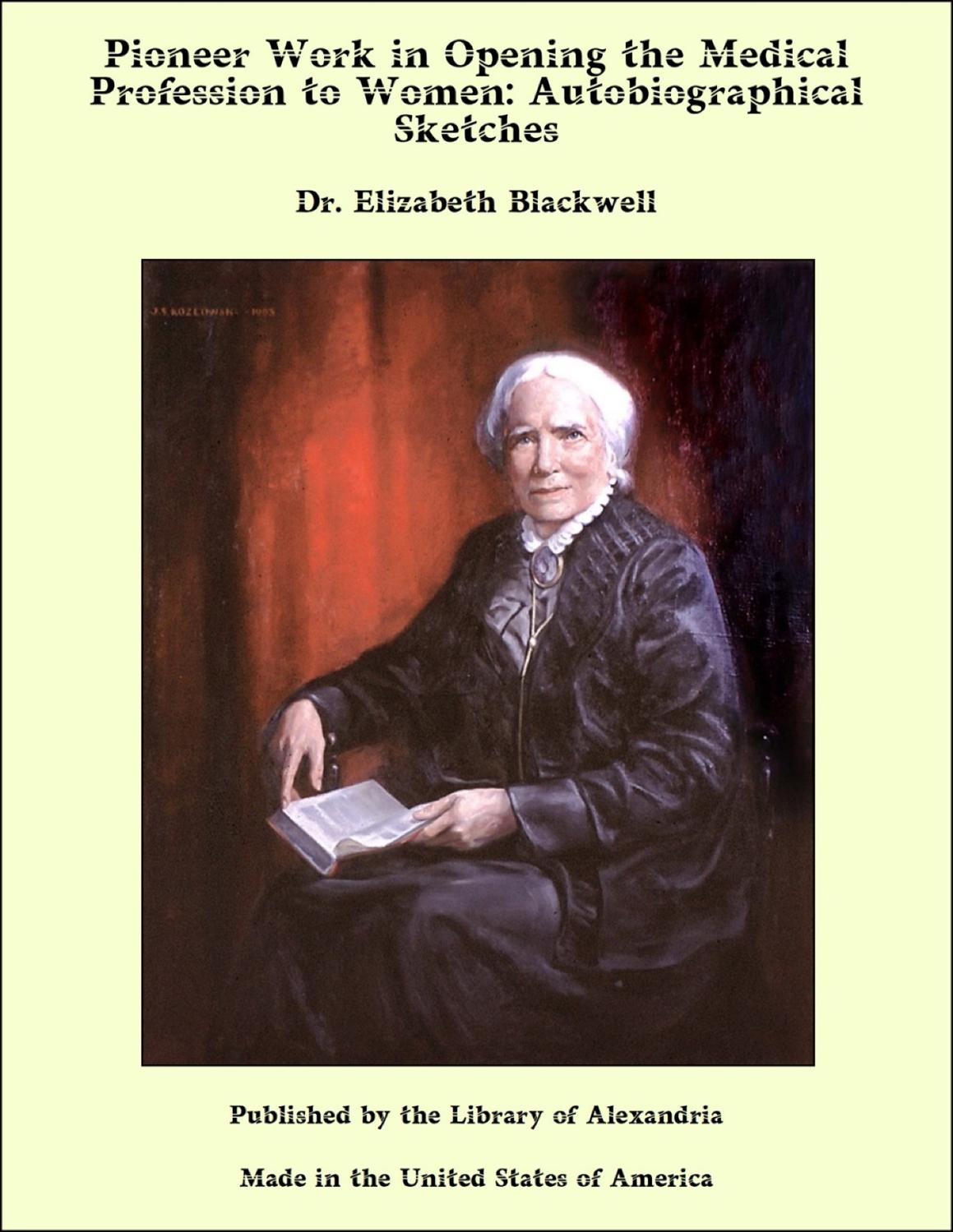
Book written by Elizabeth Blackwell,1895, Harvard University.
Book written by Elizabeth Blackwell,1878, Harvard University.
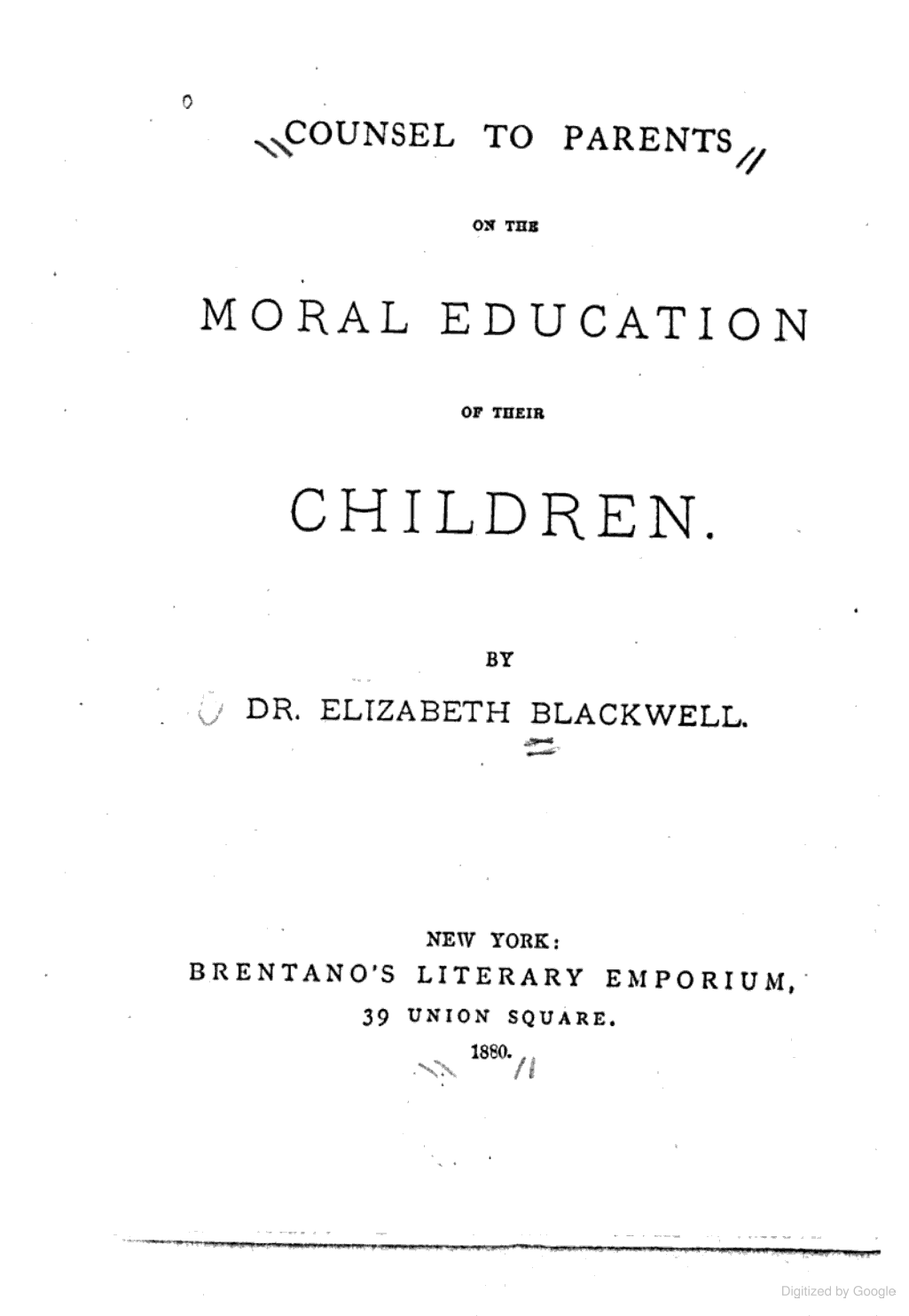
Book written by Elizabeth Blackwell,1883, Harvard University.
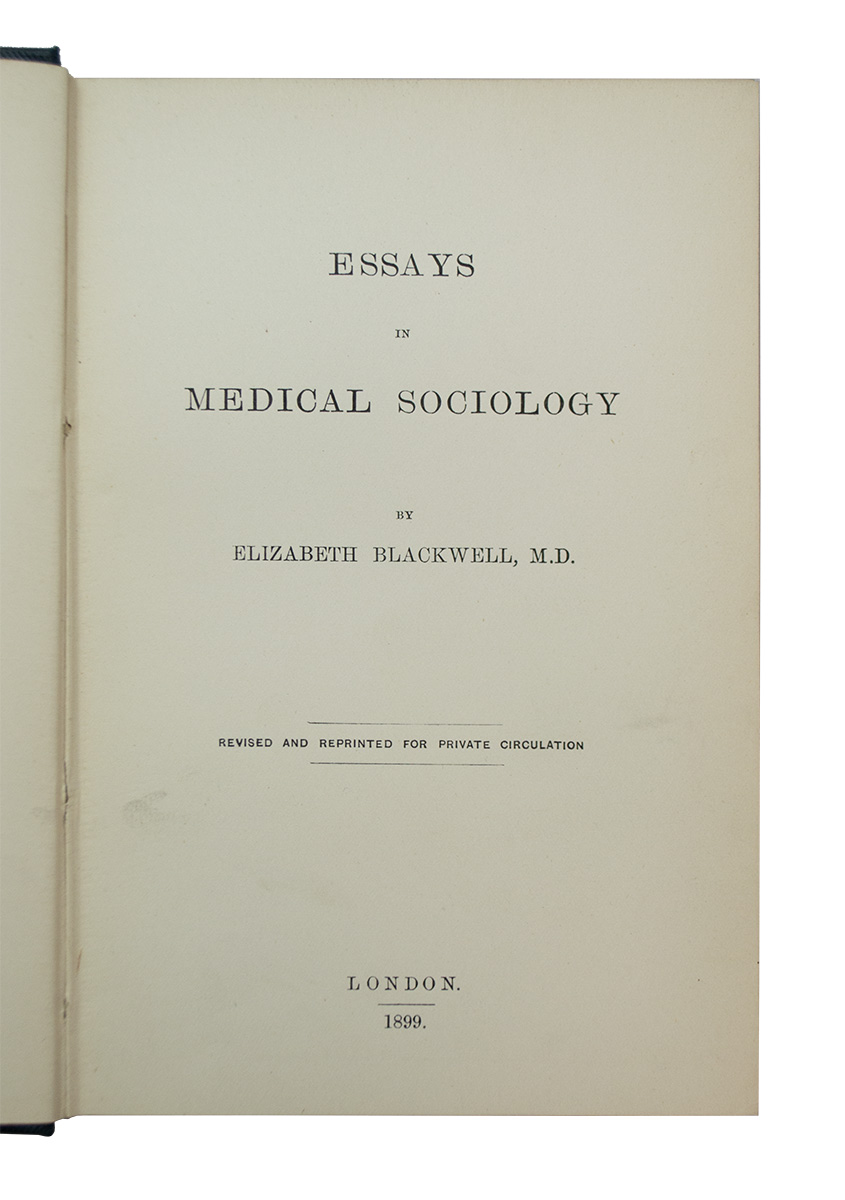
Book written by Elizabeth Blackwell,1902, Harvard University.