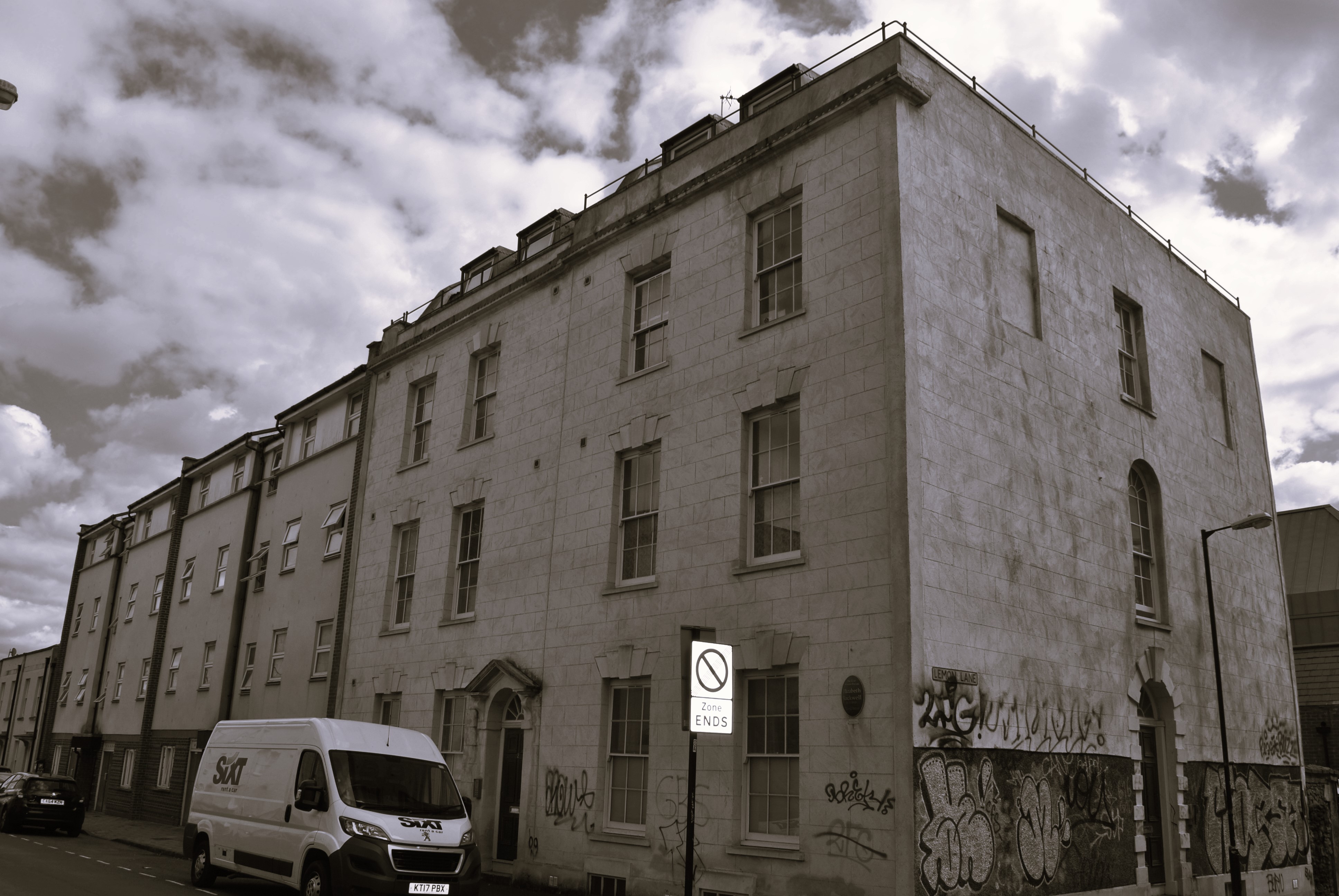
Elizabeth Blackwell's home in Bristol, UK.,n.d.,Himetop.
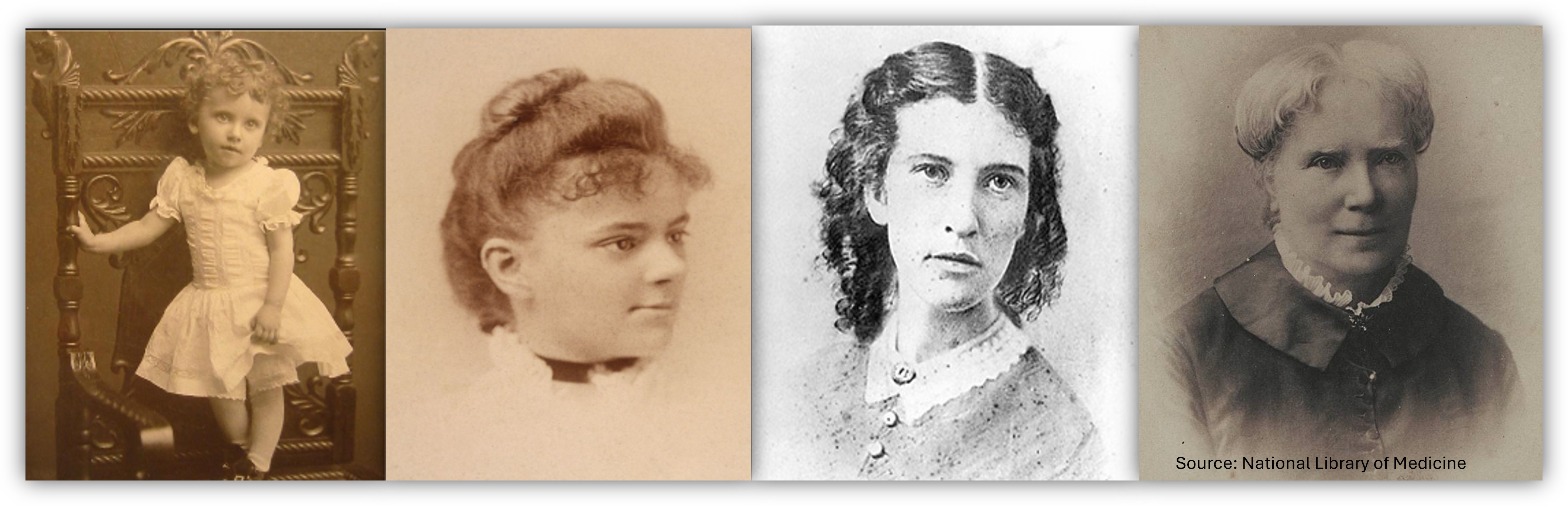
Elizabeth was born on February 3rd 1821, in Bristol, England, to Samuel Blackwell, who was a sugar refiner, and his wife Hannah Blackwell. She had two older siblings. In 1832, the Blackwell family moved from England to New York because her father lost their sugar refinery in a fire.
Elizabeth Blackwell's home in Bristol, UK.,n.d.,Himetop.
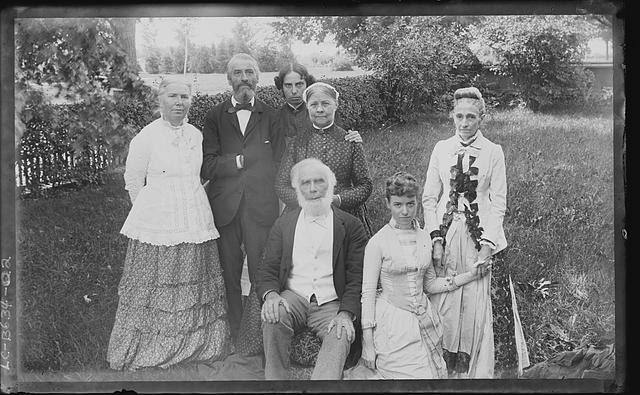
Blackwell Family,1848,Library of Congress.
Elizabeth Blackwell and her two older sisters Anna and Marian opened a private school in Cincinnati to support the family, after the devastating death of Samuel Blackwell. The school closed after few years and Elizabeth Blackwell took a teaching position in Henderson, Kentucky in 1844.
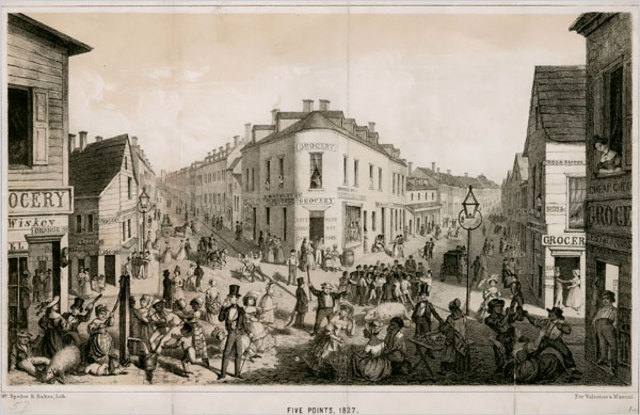
New York life,1830, National Library of Medicine.
“The people of Henderson were all very friendly to me personally… but the injustice of the state of society made a gradually deepening impression on my mind. The inhabitants lived in constant fear of an outbreak among the slaves. Women did not dare to walk in the pleasant woods and country around the village, for terror of runaway slaves… the sense of justice was continually outraged; and at the end of the first term of engagement I resigned the situation.”
~ Elizabeth Blackwell
In the mid-1800s, few medical schools admitted women, reflecting the male-dominated medical field. Skepticism surrounded women's pursuit of higher medical education. Elizabeth was inspired to become a doctor by a dying friend who believed a female physician could have provided more comforting care.
You are fond of study, have health and leisure; why not study medicine? If I could have been treated by a lady doctor, my worst sufferings would have been spared me."
~ Mary Donaldson, dying friend of Elizabeth Blackwell
"My mind is fully made up. I have not the slightest hesitation on the subject; the thorough study of medicine, I am quite resolved to go through with. The horrors and disgusts I have no doubt of vanquishing. I have overcome stronger distastes than any that now remain, and feel fully equal to the contest. As to the opinion of people, I don't care one straw personally; though I take so much pains, as a matter of policy, to propitiate it, and shall always strive to do so; for I see continually how the highest good is eclipsed by the violent or disagreeable forms which contain it."
~ Elizabeth Blackwell